
What Brands Still Get Wrong About Black Food Culture—And What the Data Finally Confirms
Cultural relevance is a revenue strategy. What Nielsen’s latest data reveals about Black consumers, food, and the future of discovery.


There’s a difference between being seen and being understood.
For years, brands have tried to “tap into” Black culture through campaigns, collaborations, and carefully timed moments. But what the latest Nielsen data makes clear is this:
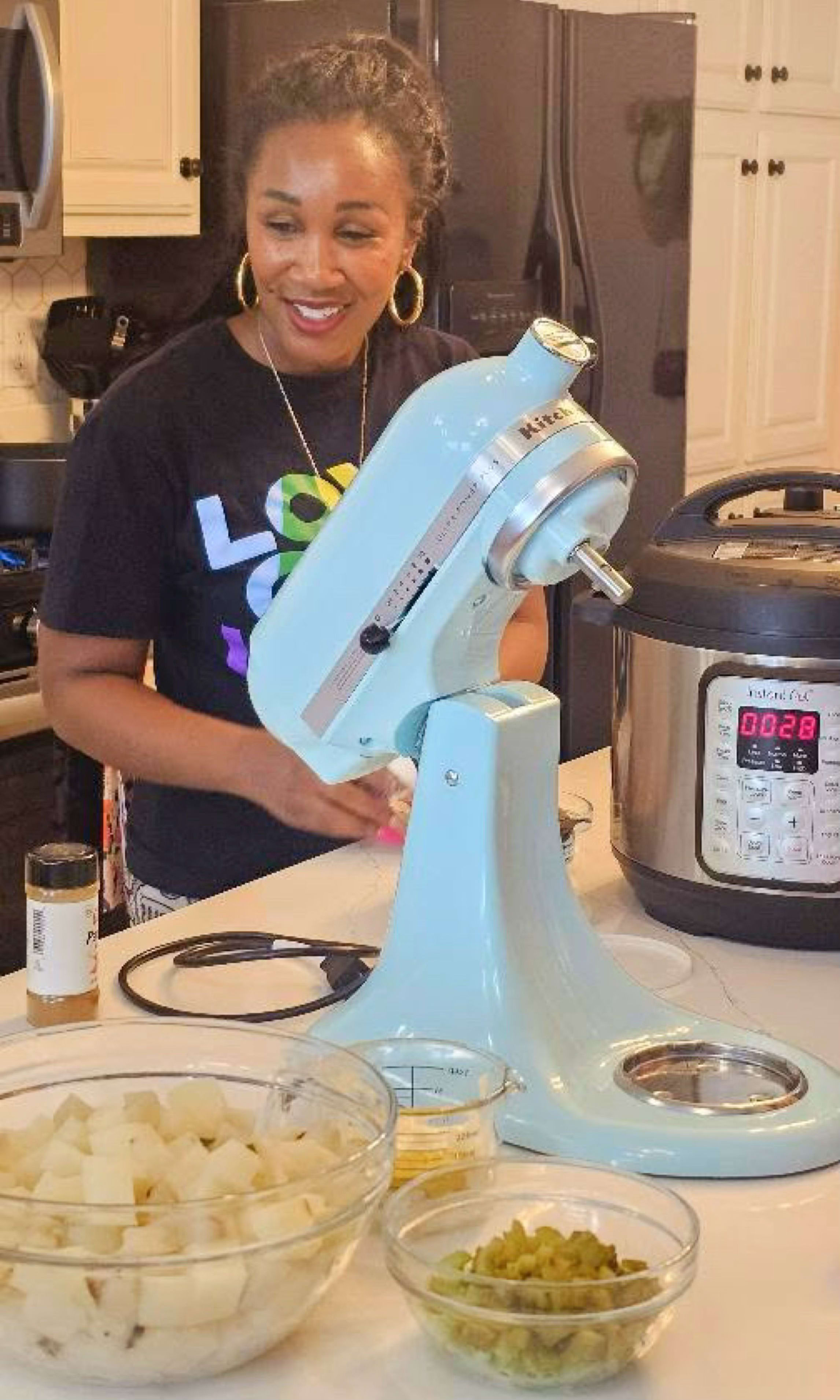
Black consumers aren’t just influencing culture. They’re deciding what wins and what gets left behind.
I recently sat down with Charlene Polite Corley, VP of Inclusive Insights at Nielsen and lead author of their 2026 Black Diverse Intelligence Series, to talk about what the data is really showing, and what most brands are still getting wrong.
Because this isn’t just about representation.
It’s about trust.
It’s about relationship.
And ultimately, it’s about whether a brand gets invited into the community… or quietly removed from it.
And nowhere is that more visible than in food.
Food is memory.
Food is identity.
Food is story.
And when those stories are misunderstood—or worse, overlooked—consumers notice.
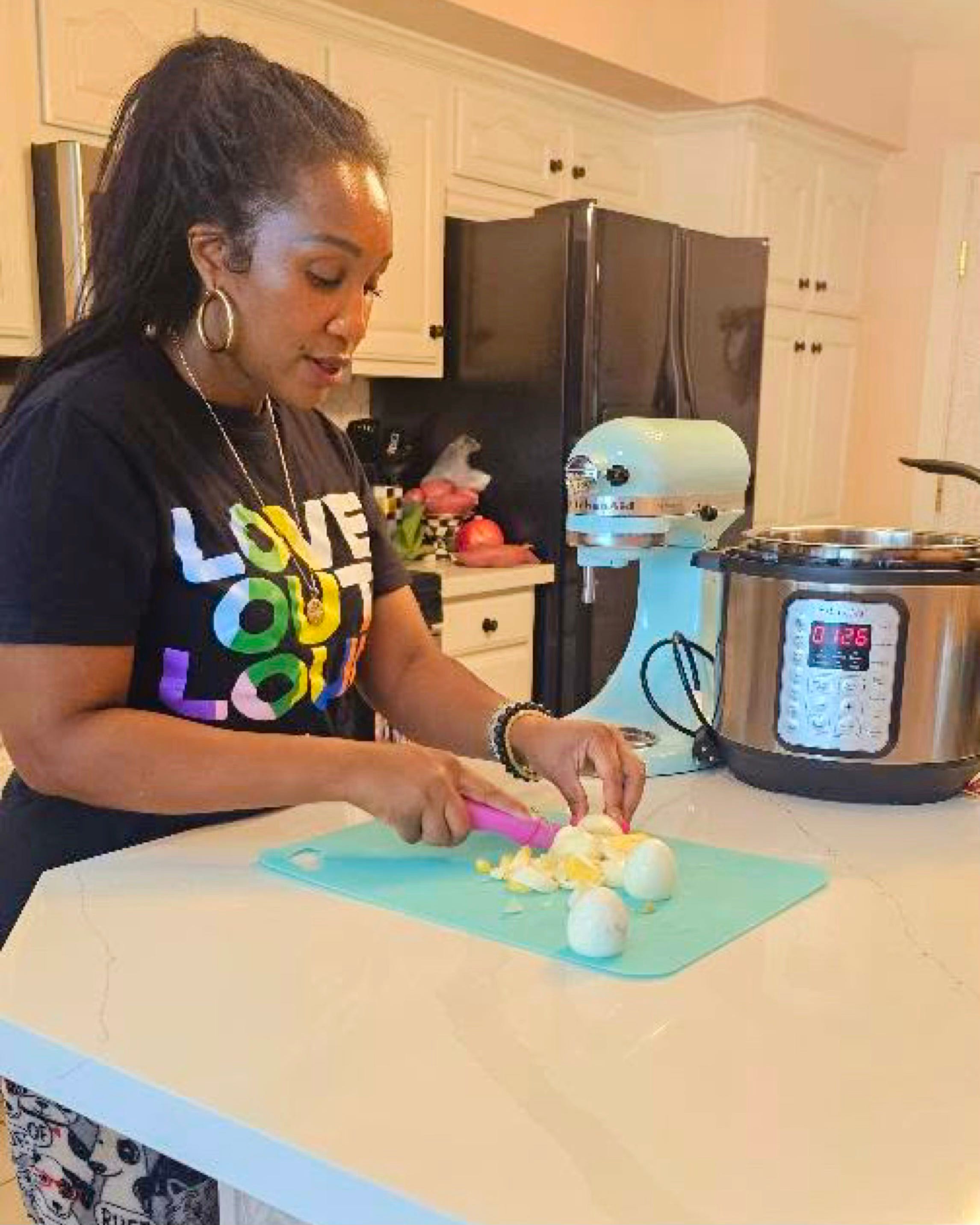
So I wanted to understand, not just what the data says, but what it means when it shows up in real life, in our kitchens, and on our tables.
The Conversation
Q: One of the strongest signals in your report is that Black consumers aren’t just influencing culture; they’re shaping what wins in the market. What are brands still misunderstanding about that influence?
Charlene:
I think what’s often missed is the collective power. Black consumers don’t just influence what’s trending or culturally relevant. We also have the power to rally and align others.
When you center Black stories authentically, you don’t just reach Black consumers. You reach everyone who follows our lead.
And that’s the part brands often overlook. You don’t have to borrow from the culture or replicate it somewhere else. You can center us, our stories, our experiences, and still reach a broader audience in a more meaningful way.
💬 Shaunda says:
That idea—“everyone who follows our lead”—is something I see play out every day in food. Recipes that start in our kitchens don’t stay there. They move. They spread. They shape what ends up on menus, in grocery stores, and across social feeds, often without credit, but never without influence.
Q: In food specifically, we’re seeing identity, nostalgia, and lived experience shape what people cook and buy. How do those cultural factors translate into purchasing behavior at the shelf or even in discovery?
Charlene:
There’s a real desire for authenticity, and that shows up at every level.
You can Google a hundred pound cake recipes. But the one that comes with a story about your grandmother, about tradition, about how it’s been made over time. That adds a layer of trust.
That storytelling becomes a signal. It tells the consumer, “This is real.”
And when we talk about why something is still done a certain way, especially in African American food culture, it opens people’s eyes. It helps them understand that these recipes aren’t random. They’re rooted in history, in experience, in survival, in joy.
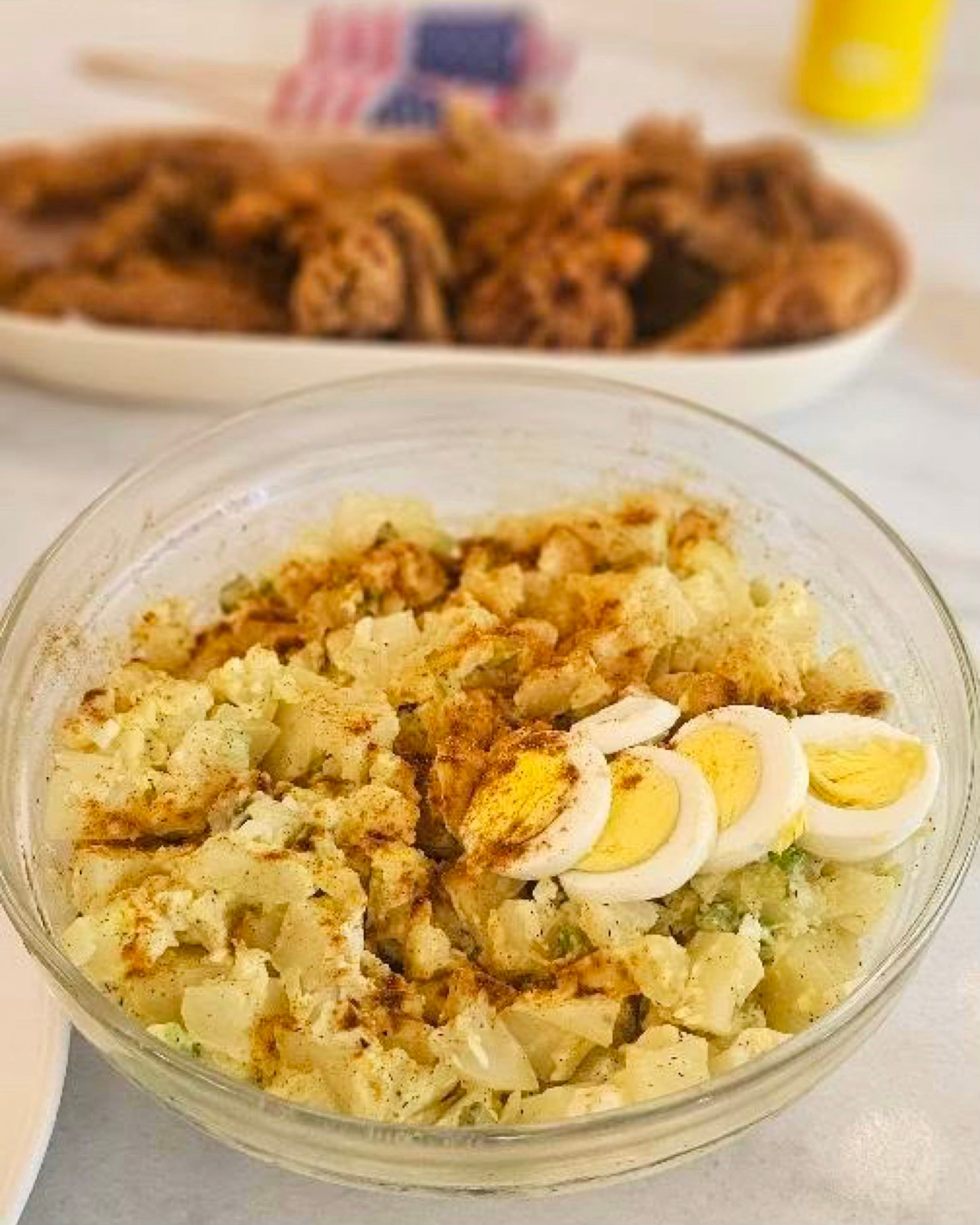
What’s interesting is that other cuisines often get respect for preserving those traditions. But that same level of understanding isn’t always extended to African American food. And that’s where there’s still work to do.
💬 Shaunda says:
This is exactly why I created my “Why Black folks cook it this way” section, because the why has always been the missing ingredient.
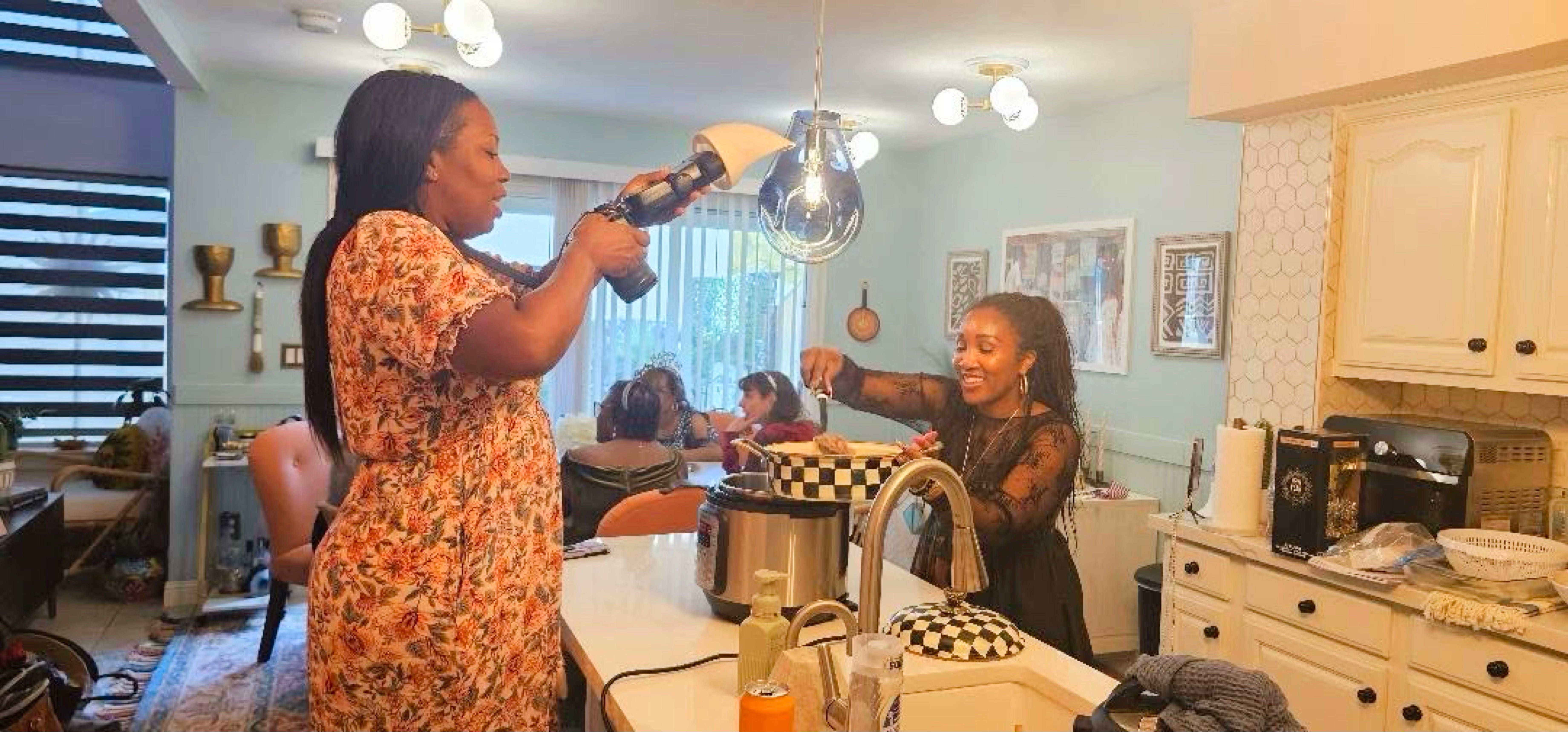
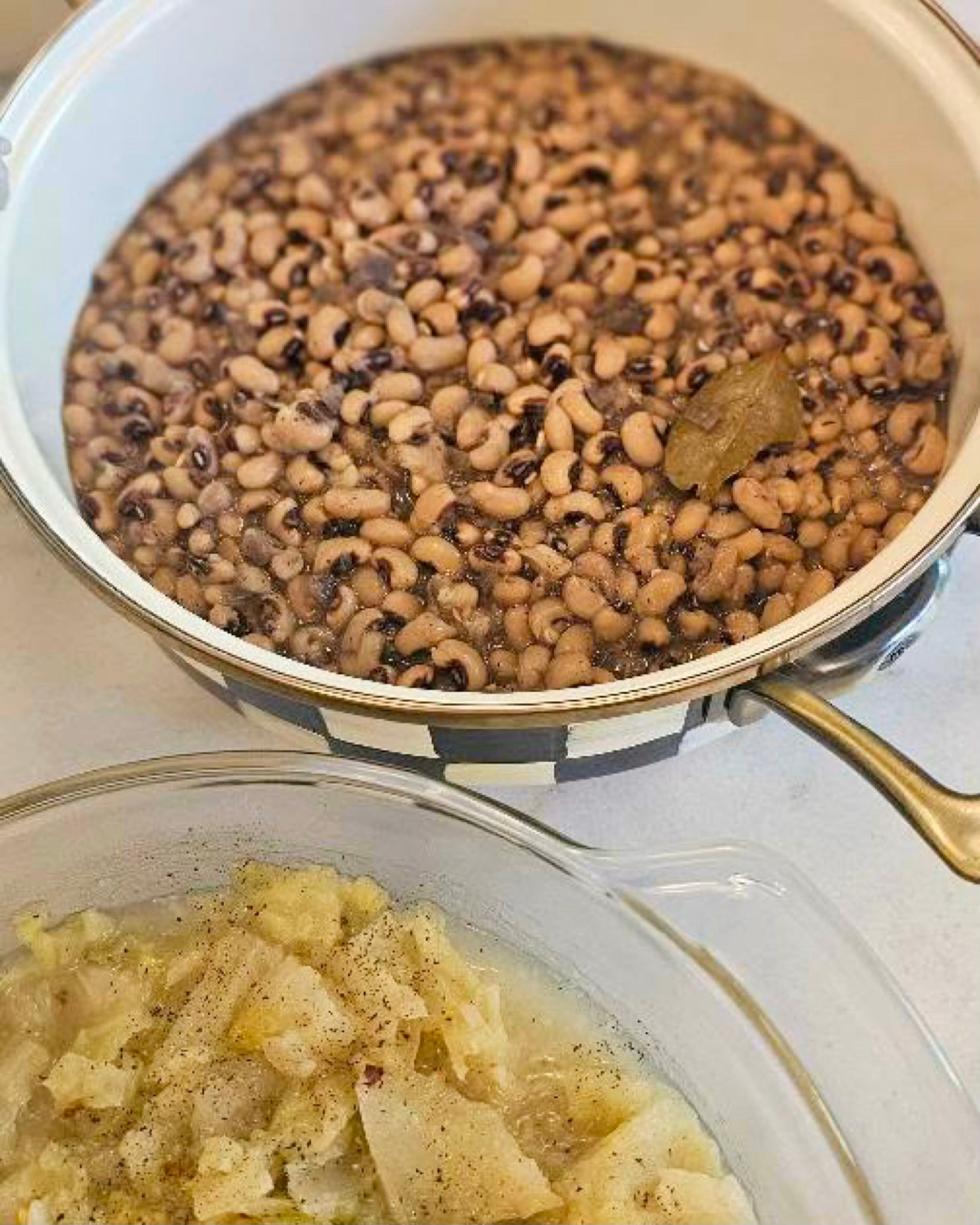
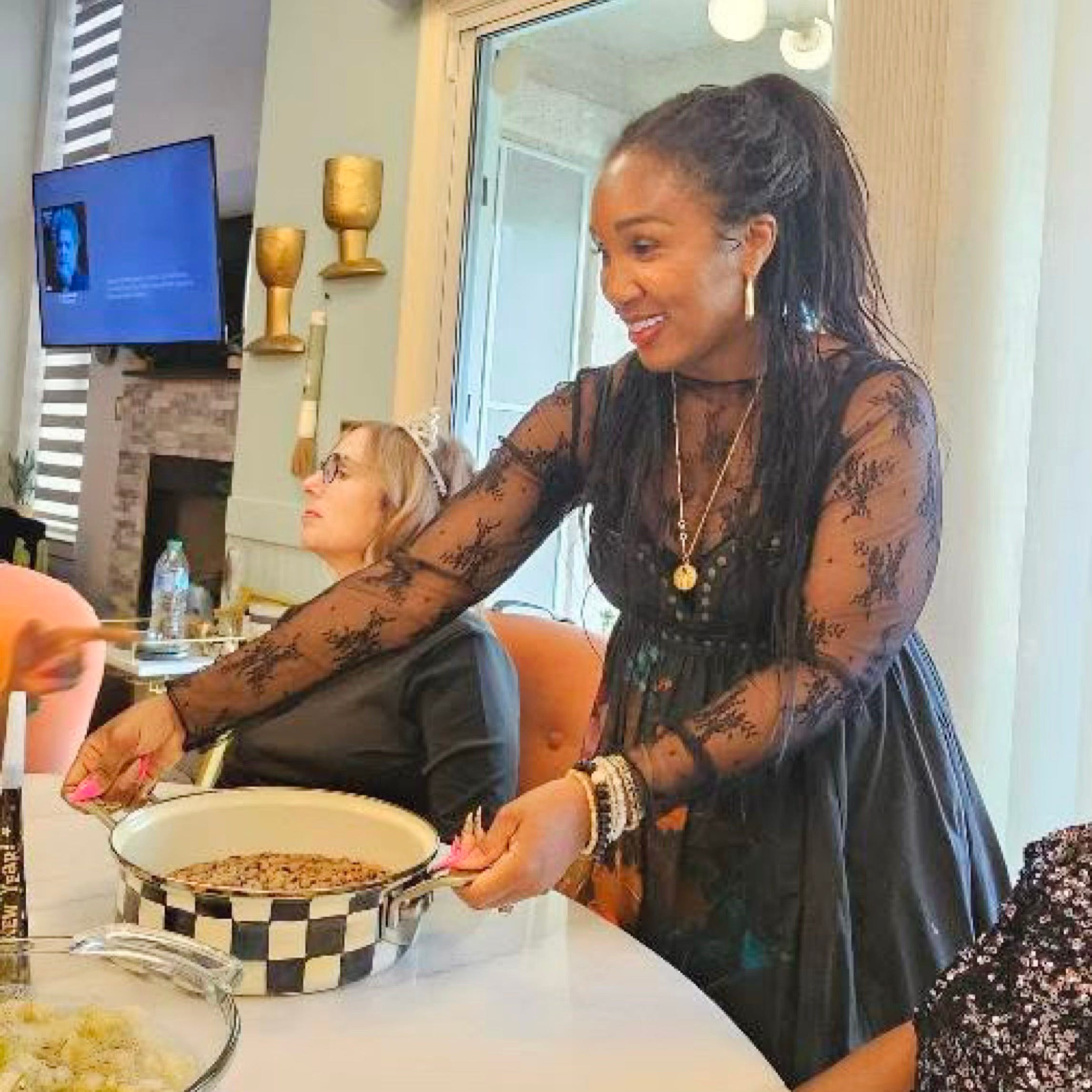
And it’s also what came up in my cookbook focus group, sitting at a table with women of different backgrounds, especially Black and Brown women, sharing not just recipes, but reasons. Stories. Memories. Methods passed down and adapted.
What struck me most was how much of that knowledge lives in community but not always in print.
As one ChefTalk feature noted:
“African American culinary traditions have been systematically uncredited, absorbed into ‘Southern cooking’ without acknowledgment of their origins. Shaunda’s work is a deliberate corrective, one recipe at a time.”
That’s the gap. And that’s the work.
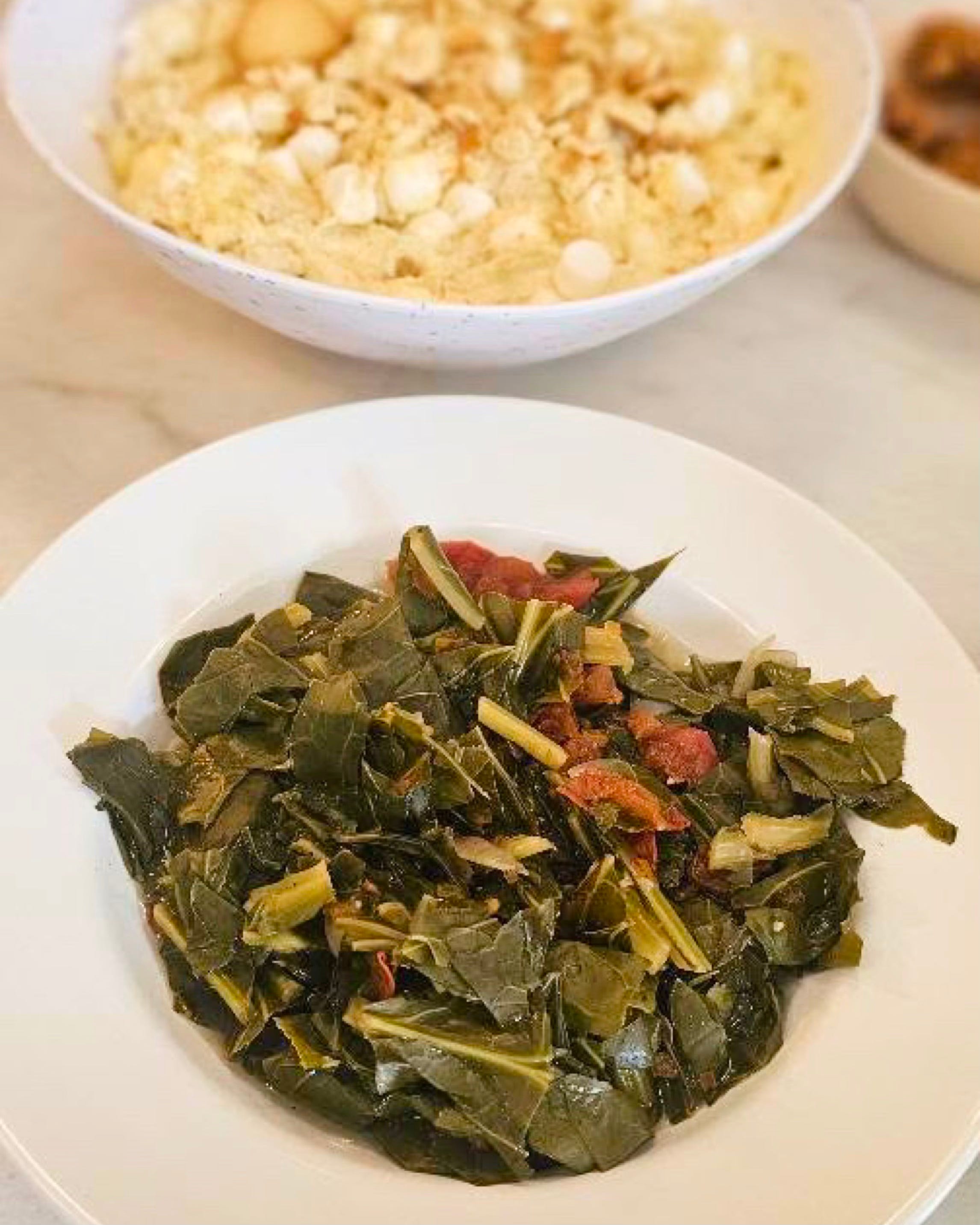
Q: Your data shows that 70% of Black consumers will walk away from brands that miss the mark. What does “missing the mark” actually look like in practice?
Charlene:
Sometimes it’s as simple as saying you understand something. And then proving you don’t.
It could be a recipe that claims authenticity but doesn’t reflect how the food is actually made. Or a product that doesn’t work for the people it’s intended for.
That’s what happens when brands operate at the surface level.
Inclusion is an invitation to do business.
It gets people in the door. But if it doesn’t go deeper than that. If the experience doesn’t hold up, then the consumer walks away. What turns that one-time trial into long-term loyalty is depth. It’s the layers, the texture, the language, the understanding.
💬 Shaunda says:
That line—“inclusion is an invitation to do business”—stayed with me. Because I’ve seen the other side of it too.
When something feels off, whether it’s a recipe, a product, or even the way a story is told, you don’t always need data to explain it. You just know.
And increasingly, consumers are acting on that instinct.
Q: You mention the risk of AI scaling misrepresentation when cultural inputs aren’t informed. As discovery shifts toward AI and search, what responsibility do brands have here?
Charlene:
AI is a powerful tool—but it’s only as good as the humans informing it.
I ran a simple test asking AI to generate images of families cooking culturally specific dishes, and not one came back correct. The food was wrong. The people were wrong. The context was missing.
That’s what happens when cultural nuance isn’t built into the system. So if brands are going all in on AI, they need to be just as intentional about inclusion. Otherwise, they’re not just making mistakes. They’re scaling them. They’re amplifying risk.
💬 Shaunda says:
This is where my worlds collide—food, culture, and discoverability.
Because if these systems are learning from what’s already been documented, then the question becomes:
Whose stories are being told, and whose are being missed?
That’s not just a tech question. That’s a cultural one.
Q: We’re seeing a shift from social-first influence to deeper, trust-based ecosystems. How should brands rethink their approach to creators in that environment?
Charlene:
If your strategy is one-and-done, you’re thinking about this wrong.
This is about relationship. It’s about community. Audiences are paying attention to patterns. They notice when a brand shows up once versus when they show up consistently.
The brands that are winning are building a body of work, not just one campaign.
Gap is a great example. Their recent success didn’t come from a single moment. It came from years of showing up, collaborating, and investing in culture. That consistency builds trust. And trust drives results.
💬 Shaunda says:
A body of work. That phrase feels bigger than marketing. Because it’s the same way I think about recipes, storytelling, and even this cookbook. Nothing stands alone. It’s all part of something larger you’re building over time. And audiences can feel the difference.
Q: The report highlights the diversity within Black audiences across identities and experiences. How can brands move beyond a one-size-fits-all approach without overcomplicating their strategy?
Charlene:
This is one of the biggest opportunities. Too often, Black audiences get reduced to a single narrative. But the reality is, there’s so much nuance.
There are different identities, different interests, and different cultural influences shaping behavior. And when brands take the time to understand that, when they do the homework, they unlock entirely new ways to connect.
There are stories that haven’t been told yet. Communities that haven’t been centered yet. And the brands willing to explore that nuance? Those are the ones that will stand out.
💬 Shaunda says:
This is the part I wish more people talked about, because “Black culture” isn’t one table; it’s many.
It’s Black rural consumers.
Black urban and Black suburban communities.
It’s Black America’s growing foreign-born population from Africa.
It’s Afro-Caribbean and Afro-Latino voices shaping culture, food, and identity in real time.
It’s the aunties, the creatives, the wellness seekers, the travelers, the home cooks, the new generation of foodies, each bringing something different to the plate.
And when I think back to that focus group table for my cookbook, the diversity in that room wasn’t just visible. It shaped the conversation.
You could hear it in the voices.
In the POVs.
In the dialect.
Black and Brown women from the East Coast, the Midwest, and the West Coast, each bringing their own lived experience, their own way of telling the story, their own way of making the same dish.
Different perspectives. Different memories. Different approaches to the same recipe. That nuance isn’t a complication. It’s the story.
⭐️ Inspired by this story? Here’s what I’ve learned:
What stayed with me most from this conversation wasn’t just the data. It was the reminder that culture isn’t something you borrow. It’s something you understand—or you don’t.
Because when it comes to Black food, what’s often missing isn’t visibility. It’s context.
The “why” behind the recipe.
The story behind the method.
The meaning behind what’s on the plate.
And that’s where trust is built, connection happens, and culture lives.
It’s something I’ve spent years documenting through my work, and even more deeply in my upcoming cookbook, because these recipes were never just about what to make. They’ve always been about what they mean.
And when we preserve that? We’re not just cooking. We’re carrying something forward.

 | A guest post by
|